
Call us now 0333 090 0088
Go 
 Back to news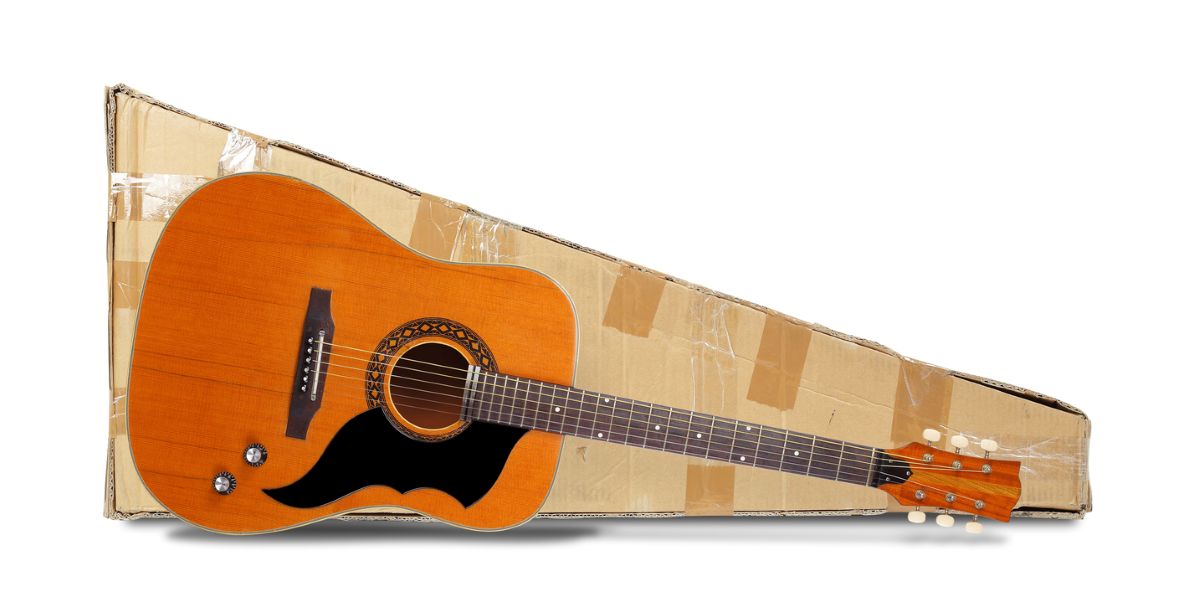

Shipping a musical instrument overseas is never just about boxes and bubble wrap. Guitars, violins, flutes, and even the occasional didgeridoo carry more than wood and wire. They hold memories, late-night rehearsals, fingerprints on fretboards. So when it’s time to send one off across oceans, it deserves human care.
Don’t skimp here. Think hard-shell, well-padded, not that old soft gig bag with the broken zipper. Your case should hug the instrument without crushing it, be snug, and not strangled. If you can shake the case and hear things rattling inside, it’s not ready.
Here’s where many people forget a key step: loosening the strings. Temperature and pressure changes during flight can turn tight strings into tension traps. Give your instrument a bit of slack, just enough to relieve the pressure without unravelling the setup completely.
Detachable parts? Mouthpieces, tuners, straps, remove them and wrap them separately. It’s not paranoia. It’s caution dressed up as common sense.
Bubble wrap, foam blocks, balled-up paper, use what you need. But remember, too much can create pressure. You want the instrument to float, not suffocate. Fill every little gap around the instrument inside the case, especially under necks and scrolls.
If your case has any wiggle room, consider adding soft padding in the lid. The goal here is zero movement.
Place the closed instrument case into a heavy-duty cardboard box, the kind that can hold its shape when stacked. You want about two inches of space on all sides—enough for a shock-absorbing cushion but not so much that it becomes a moving truck inside.
Layer the bottom of the box with padding, nest the case in the centre, then fill every remaining gap. Close the box and give it a gentle shake. Hear anything? You shouldn’t.
Don’t be shy with your labels. “Fragile.” “Handle With Care.” “This Side Up.” And don’t just put them on one face of the box, every visible surface should tell the same story: this package matters.
Include your return address both outside and tucked safely inside the box. Shipments go astray more often than you’d like to believe.
Even if you trust the courier, even if it’s not your most expensive piece, it’s still worth protecting. Always insure your shipment for its replacement value. Some services may offer automatic cover, but check the fine print.
If this sounds like a lot to manage, that’s because it is. Especially if you’re dealing with vintage instruments or high-value pieces, consider letting a specialist handle the shipping. Pack & Send has dealt with everything from cellos to custom synthesizers and can manage not just the packing, but the logistics maze that comes with international delivery.


 Packed & Less Than 30kg?